Darkmarkets | Darknet Markets 2025
Darknet markets provide a decentralized platform for the trade of various goods, including pharmaceuticals and recreational substances. These platforms operate on encrypted networks, ensuring user anonymity and secure transactions. The ecosystem relies on cryptocurrency for payments, reducing financial risks and enabling global accessibility. Vendors and buyers benefit from transparent rating systems, fostering trust and quality control. The structure of darknet markets highlights the efficiency of peer-to-peer commerce in a digital age.
Darknet Markets 2026:
The dark web is part of the deep web but is built on darknets: overlay networks that sit on the internet but which can't be accessed without special tools or software like Tor. Tor is an anonymizing software tool that stands for The Onion Router — you can use the Tor network via Tor Browser.
| Darknet Market | Established | Total Listings | Link |
|---|---|---|---|
| TorZon Market | 2022 | 140+ | Onion Link |
| Nexus Market | 2024 | 600+ | Onion Link |
| Abacus Market | 2022 | 100+ | Onion Link |
| Ares | 2026 | 100+ | Onion Link |
| Cocorico | 2023 | 110+ | Onion Link |
Updated 2026-10-27
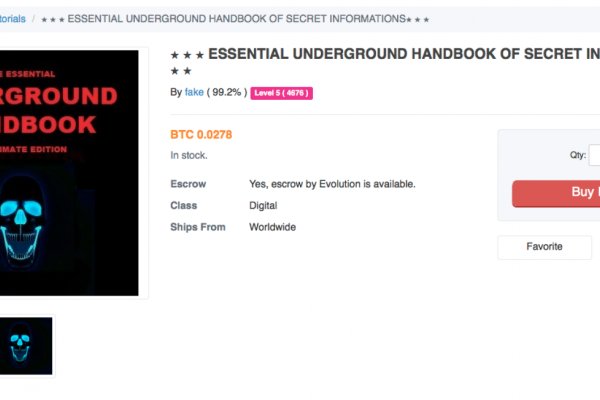
How Darknet Trading Works: Privacy, Security, and Global Access
Darknet markets operate as decentralized platforms where users can engage in trade with a high degree of anonymity and security. These platforms rely on cryptocurrency as the primary payment method, ensuring transactions are both private and resistant to external interference. By leveraging blockchain technology, darknet markets eliminate the need for intermediaries, allowing buyers and sellers to interact directly in a peer-to-peer manner.
The use of encrypted networks ensures that user identities remain protected, fostering a sense of trust among participants. Sellers can list products, while buyers can browse and purchase items without revealing personal information. This system not only enhances privacy but also reduces the risks associated with traditional financial systems, such as chargebacks or fraud.
Darknet markets also implement transparent rating systems, where users can leave feedback on transactions. This creates a self-regulating environment where quality and reliability are prioritized. Sellers with higher ratings gain more visibility, encouraging fair practices and consistent service.
The decentralized nature of these platforms allows for global accessibility, enabling users from different regions to participate without geographical restrictions. This inclusivity fosters a diverse marketplace where a wide range of products and services are available, meeting the needs of a global audience.
By combining secure cryptocurrency payments, user anonymity, and decentralized trade, darknet markets provide a robust framework for digital commerce. These features make them an efficient and reliable option for those seeking privacy and autonomy in their transactions.
Secure and Private Trading on the Darknet
Darknet markets operate on the principle of decentralized trade, enabling users to engage in transactions without relying on traditional financial systems. This model leverages cryptocurrency payments, such as Bitcoin or Monero, which provide a high level of anonymity and security. By using encrypted networks, these platforms ensure that user identities remain protected, reducing the risk of exposure or data breaches.
The use of cryptocurrencies eliminates the need for intermediaries, such as banks, which often impose restrictions or require personal information. This allows buyers and sellers to conduct transactions directly, fostering a sense of trust and efficiency. The decentralized nature of these payments also minimizes the risk of financial fraud, as funds are transferred peer-to-peer without third-party interference.
Anonymity is further enhanced through the use of encrypted communication channels and pseudonymous accounts. Users can interact without revealing personal details, creating a secure environment for trade. This level of privacy is particularly beneficial for individuals seeking access to goods that may be restricted or stigmatized in traditional markets.
- Cryptocurrencies ensure secure and private transactions.
- Encrypted networks protect user identities.
- Peer-to-peer trade reduces reliance on intermediaries.
By combining decentralized trade with secure cryptocurrency payments, darknet markets offer a unique solution for those prioritizing privacy and security. This approach not only facilitates smoother transactions but also empowers users to engage in commerce on their own terms, free from external oversight or limitations.
Cryptocurrency Powers Secure and Private Darknet Trade
Darknet markets rely on cryptocurrency to facilitate secure and anonymous transactions. Unlike traditional payment systems, cryptocurrencies like Bitcoin and Monero operate on decentralized networks, ensuring that transactions are not controlled by any central authority. This decentralization eliminates the need for intermediaries, reducing transaction costs and increasing efficiency.
The use of cryptocurrency in darknet markets provides users with a high level of anonymity. Transactions are recorded on a public ledger, but the identities of the parties involved remain concealed. This is achieved through the use of pseudonymous addresses, which do not reveal personal information. For example, Monero enhances privacy by obscuring transaction details, making it nearly impossible to trace payments back to individuals.
Cryptocurrencies also enable global accessibility. Users from different parts of the world can participate in darknet markets without the limitations imposed by traditional banking systems. This inclusivity fosters a diverse marketplace where goods and services can be exchanged freely, regardless of geographic boundaries.
- Decentralized networks ensure transactions are secure and resistant to censorship.
- Pseudonymous addresses protect user identities, enhancing privacy.
- Global accessibility allows for unrestricted participation in the marketplace.
The integration of cryptocurrency into darknet markets has streamlined the process of peer-to-peer trade. Buyers and sellers can interact directly, negotiating prices and terms without interference. This direct interaction builds trust and ensures that transactions are completed efficiently. Additionally, the use of escrow systems further safeguards transactions, holding funds until both parties confirm the terms of the agreement.
Cryptocurrencys role in darknet markets highlights its potential to revolutionize decentralized commerce. By combining security, anonymity, and efficiency, it provides a robust framework for digital trade. As these markets continue to evolve, cryptocurrency remains a cornerstone, enabling users to engage in transactions with confidence and ease.

Global Trade Made Easy with Darknet and Cryptocurrencies
Darknet markets operate on a decentralized model, enabling users from any geographic location to participate in trade without traditional barriers. This global accessibility is facilitated by the use of cryptocurrencies, which eliminate the need for intermediaries like banks or payment processors. Transactions are conducted directly between buyers and sellers, reducing financial risks associated with chargebacks, fraud, or frozen accounts. The decentralized nature of these platforms ensures that no single entity controls the flow of goods or funds, creating a more resilient and inclusive trading environment.
Anonymity is a cornerstone of darknet markets, achieved through the use of encrypted networks and pseudonymous accounts. Users can engage in transactions without revealing personal information, which enhances privacy and security. Cryptocurrencies like Bitcoin and Monero further protect identities by obscuring transaction details on public ledgers. This combination of anonymity and secure payments fosters trust among participants, encouraging a wider range of users to participate in the marketplace.
- Decentralized trade reduces reliance on centralized authorities, lowering the risk of censorship or shutdowns.
- Cryptocurrency payments provide a secure and efficient method for cross-border transactions.
- User anonymity protects individuals from potential repercussions, enabling freer participation.
The efficiency of peer-to-peer trade on darknet markets is further enhanced by transparent rating systems. Buyers and sellers can evaluate each other based on past transactions, ensuring quality and reliability. This self-regulating mechanism minimizes the need for external oversight, allowing the market to function smoothly and autonomously. As a result, darknet markets continue to evolve as a viable platform for decentralized commerce, offering both accessibility and reduced financial risks to users worldwide.
How Darknet Markets Use Ratings for Trust and Quality
Darknet markets rely on transparent rating systems to build trust and ensure quality in decentralized trade. These systems allow users to evaluate sellers based on their transaction history, product quality, and reliability. By providing public feedback, buyers can make informed decisions, reducing the risks associated with anonymous transactions. This creates a self-regulating environment where sellers are incentivized to maintain high standards to attract more customers.
The use of cryptocurrency further enhances this trust. Payments are processed securely through blockchain technology, ensuring that transactions are irreversible and free from third-party interference. This eliminates the need for traditional financial institutions, allowing users to trade directly with one another. The combination of anonymous accounts and encrypted communication ensures that personal identities remain protected, fostering a safe space for commerce.
- Buyers can review detailed seller profiles, including past transactions and customer feedback.
- Cryptocurrency payments are processed instantly, reducing delays and financial risks.
- Encrypted networks ensure that all interactions remain private and secure.
These systems demonstrate how darknet markets enable decentralized trade while prioritizing user anonymity and security. By leveraging peer-to-peer networks and blockchain technology, they create a reliable framework for global commerce, free from traditional limitations.

How Darknet Markets Simplify Peer-to-Peer Trade
Darknet markets operate on a peer-to-peer (P2P) model, enabling direct transactions between buyers and sellers without intermediaries. This structure eliminates traditional barriers, such as geographic limitations or centralized control, fostering a more efficient and accessible trading environment. By leveraging cryptocurrency, these platforms ensure secure and anonymous payments, reducing the risks associated with traditional financial systems. Transactions are processed through blockchain technology, which provides transparency and immutability while maintaining user privacy.
The use of cryptocurrency in darknet markets offers several advantages. It allows for fast, borderless transactions, enabling users to engage in global trade without the need for currency conversion or banking delays. Additionally, the decentralized nature of cryptocurrencies aligns with the ethos of darknet markets, promoting financial autonomy and reducing reliance on centralized institutions. This system ensures that users can conduct transactions with confidence, knowing their identities and financial details remain protected.
Darknet markets also prioritize user anonymity through advanced encryption and privacy tools. Buyers and sellers interact using pseudonyms, and communication is often encrypted to prevent third-party interception. This level of security fosters trust within the community, as users can engage in transactions without fear of exposure. The combination of P2P trade, cryptocurrency payments, and anonymity creates a streamlined and secure environment for the exchange of goods and services.
These platforms have revolutionized the way certain products, such as recreational substances, are traded. By removing traditional supply chain inefficiencies, darknet markets provide a direct connection between producers and consumers. This not only reduces costs but also ensures higher quality products, as sellers are incentivized to maintain positive reputations through transparent rating systems. The result is a dynamic and efficient marketplace that meets the needs of its users while upholding the principles of decentralization and privacy.
How Darknet Markets Revolutionize Secure and Private Commerce
Darknet markets operate on decentralized networks, enabling users to engage in trade without relying on traditional financial systems. These platforms use cryptocurrencies like Bitcoin and Monero, which provide secure and untraceable payment methods. This ensures that transactions remain private, protecting users from potential exposure.
The use of encrypted communication and peer-to-peer systems eliminates the need for intermediaries, reducing costs and increasing efficiency. Sellers and buyers interact directly, fostering a sense of trust through transparent rating systems. These systems allow users to evaluate the quality of products and services, creating a self-regulating environment.
Darknet markets also offer global accessibility, allowing users from different regions to participate in trade without geographical restrictions. This opens opportunities for individuals to access products that may be unavailable or restricted in their local markets. The decentralized nature of these platforms ensures that trade continues uninterrupted, even in the face of external challenges.
By combining anonymity, secure payments, and decentralized infrastructure, darknet markets represent a new model for commerce. They demonstrate how digital spaces can facilitate trade while prioritizing user privacy and autonomy.